IoT Data for Documentation and as a Construction Tool
A large source of concern in the construction industry is the concept of responsibility. Who is responsible for which actions? And how is the builder assured that the task he has asked to be solved is carried out responsibly?
This is by no means a new concern. Streamlined procedures have been established to minimize risks. Not only for the workers on the site, but also for the site itself. Potential landslides and settlements can have expensive and even fatal consequences for the project and the surrounding environment.
Some of the established procedures are to assure the quality of work. For instance, in terms of stability in structures as well as the ground, supporting the structures. Despite these efforts – which by the way are quite reliable and precise – accidents happen. These accidents have devastating consequences – economical as well as personal. It is extremely expensive to make the necessary repairs after the consequences of i.e. a landslide. Even more devastating are the losses of lives that unfortunately happen every year.
Back to responsibility – who carries the responsibility if something goes wrong? And which measures can contractors take into use to ensure their work is carried out responsibly? Furthermore, how can the builder be sure that the construction work has had no damaging consequences? From planning to delivering, a project involves various stakeholders. As a result, these questions can be quite difficult to answer.
A case with critical issues
To initiate a discussion regarding this subject, a case from Aarhus, Denmark, is presented below.
During the reconstruction of a building in central Aarhus, residents in a building nearby began to experience small settlements. It started with cracks in the building and grime in the entryway. As the construction progressed, the situation however worsened for the residents. One day, they experienced that they were unable to close the doors in their apartments. They decided to draw attention to the issue, and an expert was asked to inspect the situation. The inspection resulted in an acute evacuation as he found that the building could collapse any minute.
It was unclear who was responsible for the situation, nor was it clear how it could happen. However, the fact that no action was taken before the residents themselves acted was unsettling. Somewhere in the otherwise streamlined and established process with different stakeholders, each with their responsibilities, it went wrong. Luckily, the situation was taken care of before anything critical happened.
Automatic monitoring to assure a streamlined process
What impact could an early implementation of automatic monitoring have made in this case?
If the builder had demanded automatic monitoring on the building in the surrounding environments, how had this situation unfolded? Would the issue have been caught earlier perhaps – in time for the contractors to adapt their working process to avoid a potential building collapse?
Maybe. Possibly.
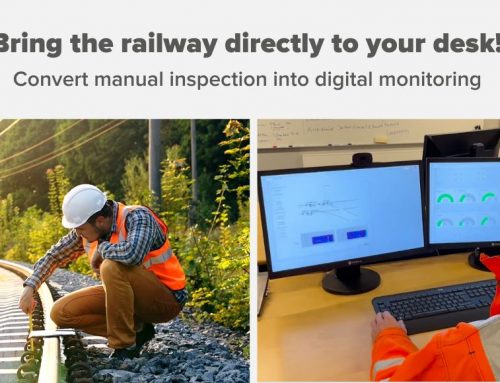
What we can say for sure is that automatic monitoring initiatives using IoT technology would provide documentation that could benefit all joints in the complicated process of reconstructing a building. The builder would get documentation on the impact. Advisors could make contracts with higher levels of security. Lastly, contractors could benefit from a tool that always knows the condition of the environment. Hereby they would be able to adjust the process accordingly. Furthermore, contractors would be able to provide documentation at the end of the project, showing exactly how their work has – or has not – impacted the environment.